An epic 16-day journey through cloud forest and Amazon rainforest
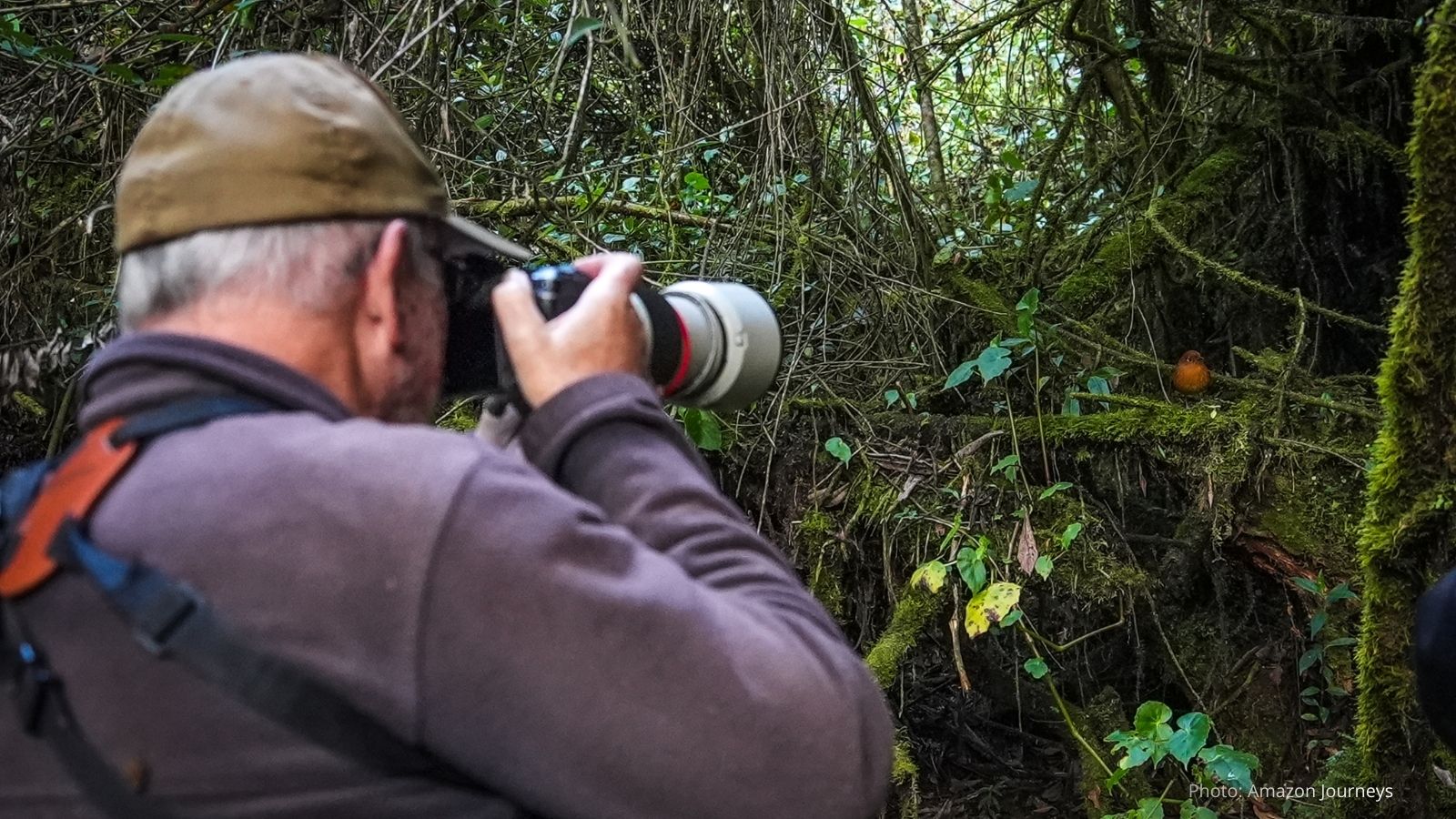
This is a slow-paced tour focused on getting great photos and spending time at Hummingbird and other feeding stations. The photography tour experience’s the incredible biodiversity of South-Eastern Peruvian Cloud Forests and Amazon. This tour focuses on photography of birds, landscapes, and occasionally mammals and big reptiles.
Our birding and photography tour go to the Manu Biosphere Reserve. The protected area covers Cloud Forest and Amazonian rainforest, oxbow lakes, and flooded forest. Moreover, this large area of different habitats is home to more than 100 species of mammals, some over 1000 species of birds, and hundreds of species of trees and other plants.
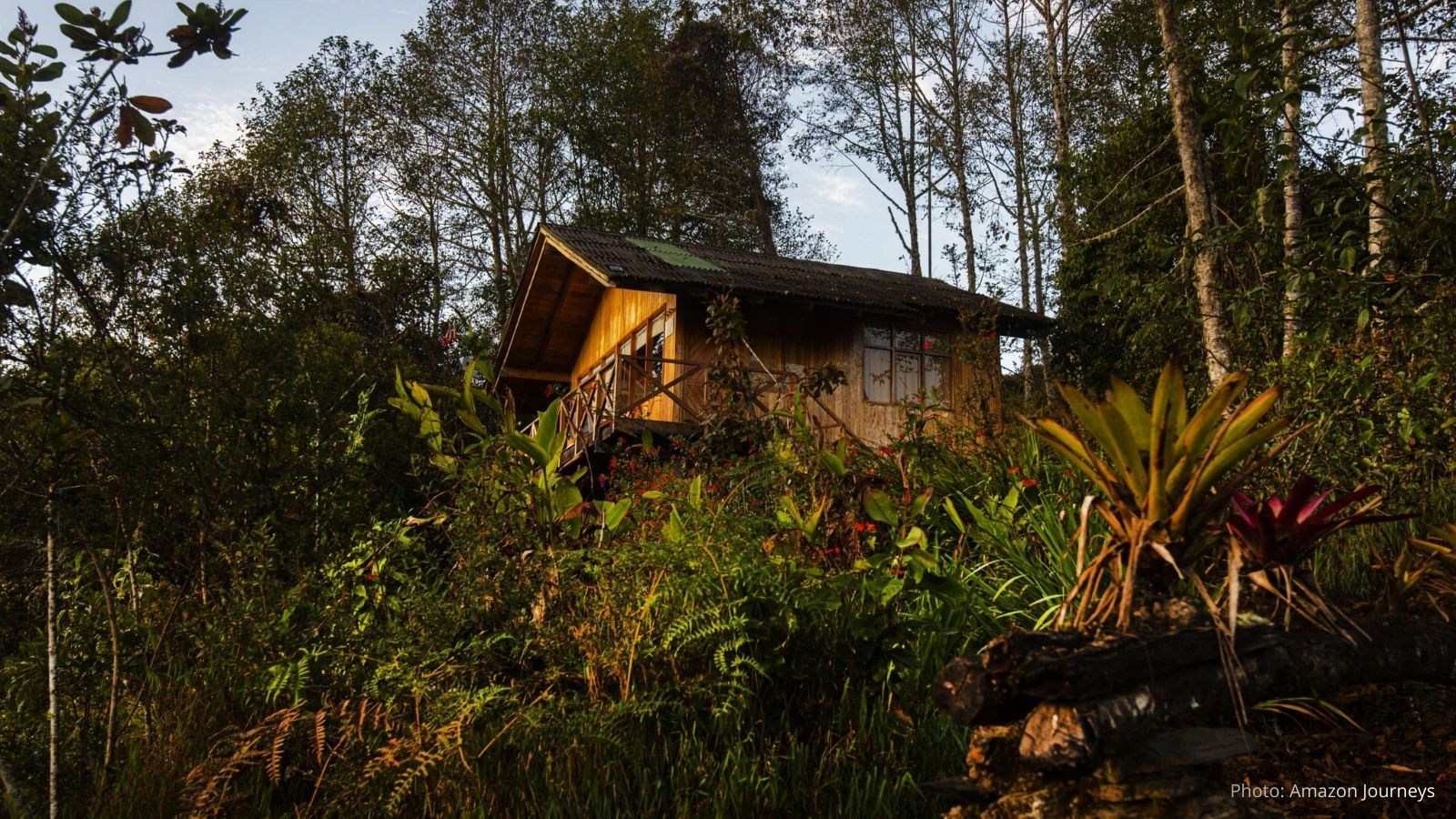
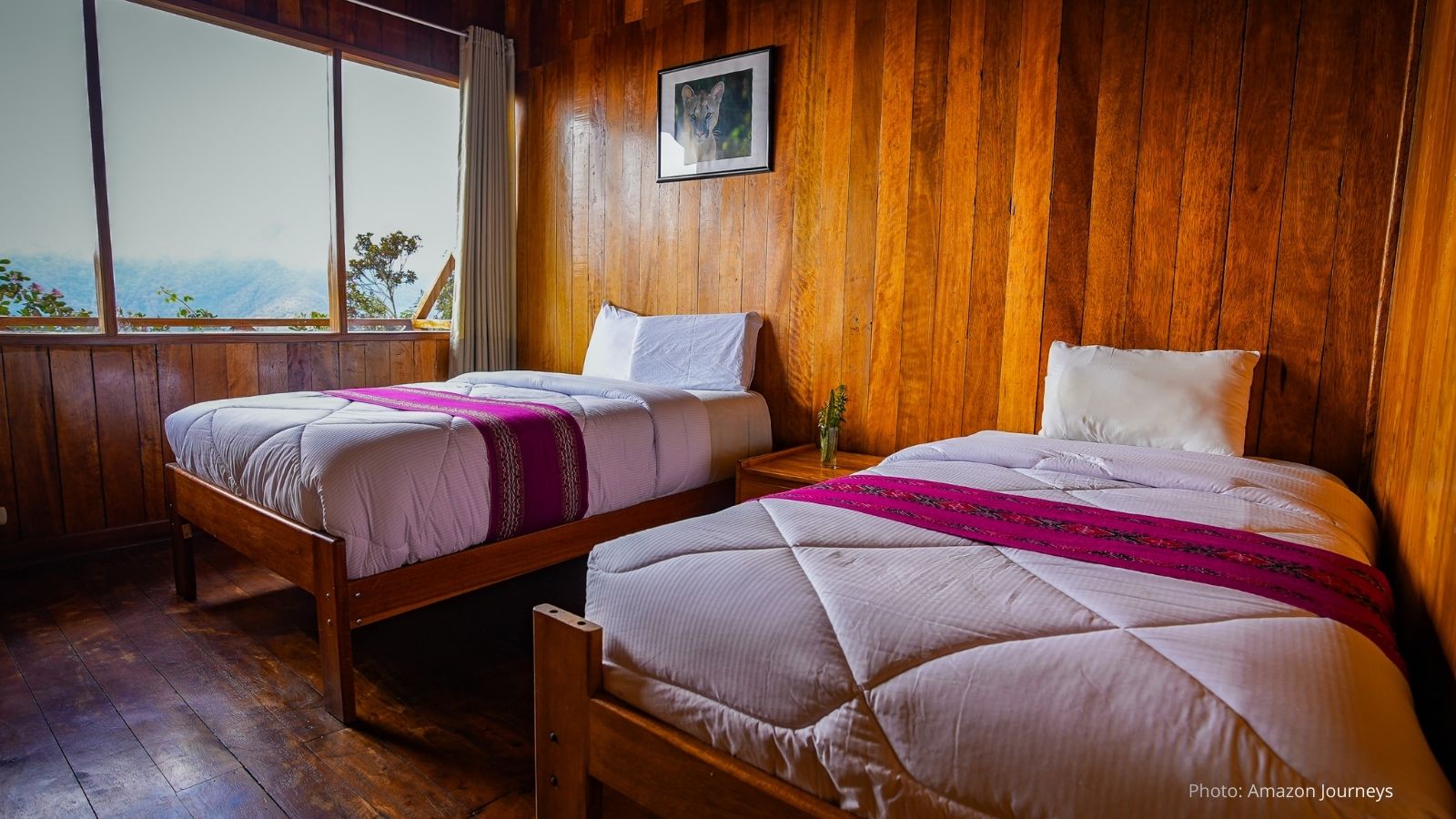
We stay at rustic but comfortable lodges throughout. Unlike other companies we own and run 2 of the 4 lodges you will stay at and most importantly all funds generated are 100% reinvested in our nonprofit conservation arm.
Included
- 03 Night at Wayqecha Cloud Forest Birding Lodge based on private cabin
- 03 Night at Cock of the rock lodge based on private cabin
- 03 Nights at Manu Biolodge Birding Lodge based on private cabin
- 02 Nights at Tambo Blanquillo Lodge based on private cabin
- 04 Nights at Los Amigos Birding Lodge based on private cabin
- 01 English Photography and Birding Guide
- Private driver and ground transportation
- Private river transportation
- Meals as indicated; unlimited water, tea and coffee
- Access to extensive trail systems at each station as well as Canopy Walkway, Feeders, Hide, Cock of the rock lek, Macaw Clay lick and Cocha Lobo.
Not Included
Meals as not indicated
International and domestic airfare
Alcoholic beverages
Laundry
Tips
Bank fee or any other service not specifically mentioned
Meals
- Day 1: Box Lunch – Dinner
- Day 2: Breakfast – Lunch – Dinner
- Day 3: Breakfast – Lunch – Dinner
- Day 4: Breakfast – Box Lunch – Dinner
- Day 5: Breakfast – Lunch – Dinner
- Day 6: Breakfast – Lunch – Dinner
- Day 7: Breakfast – Box Lunch – Dinner
- Day 8: Breakfast – Lunch – Dinner
- Day 9: Breakfast – Lunch – Dinner
- Day 10: Breakfast – Box Lunch – Dinner
- Day 11: Breakfast – Lunch – Dinner
- Day 12: Breakfast – Box Lunch – Dinner
- Day 13: Breakfast – Lunch – Dinner
- Day 14: Breakfast – Lunch – Dinner
- Day 15: Breakfast – Lunch – Dinner
- Day 16: Breakfast – Snak
After an early morning departure from Cusco, we’ll make our way towards the Manu Road to access Wayqecha Biological Station. Our first stop will be Huacarpay Lakes, south of Cusco, where we’ll look for photo ops such as the Puna Teal, Cinnamon Teal, Yellow-billed Pintail, Many-colored Rush Tyrant, Wren-like Rushbird, Plumbeous Rail, Giant Hummingbird, Green-tailed Trainbearer, and the endemic Bearded Mountaineer. As the road takes us high over the mountains, we will stop frequently to take some photos of the stunning scenery and to see what birds we can spot to see what birds we can spot we’ll look for highland specialists such as the Taczanowski’s Ground-Tyrant, Peruvian Sierra-Finch, Slender-billed Miner, Creamy-crested Spinetail, Mountain Caracara, and the endemic Chestnut-breasted Mountain-Finch.
We’ll have a relaxing lunch break in the mountains, where we can enjoy the view of the inter-Andean valley and the ecological gradient from the puna grassland to the elfin forest. As we move on into the stunted elfin forest, we’ll look for Moustached Flowerpiercers, Shining Sunbeams, Tyrian Metaltails, Great Thrushes, Brown-backed Chat-Tyrants, Scarlet-bellied Mountain-Tanagers, Puna Thistletails and White-throated Tyrannulets. We’ll arrive at Wayqecha Cloud Forest Biological Station and Birding Lodge, on the east slope of the Andes, late in the afternoon before the sun sets on our view of the Amazon basin.
Before the dinner you’ll be treated a brief talk about the scientific research conducted by ACCA at Wayqecha, this activity is optional and you can arrange directly with you guide.
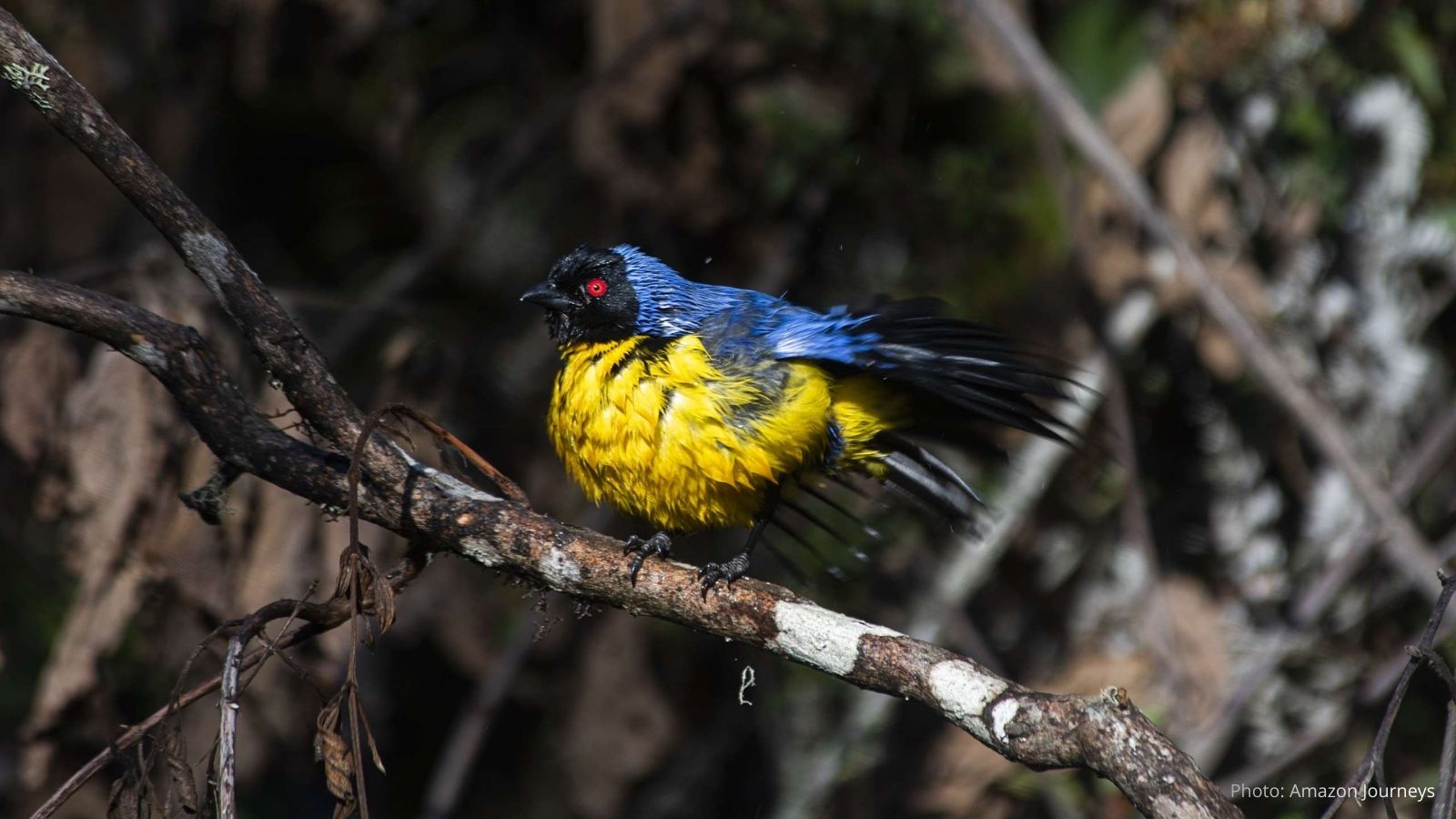
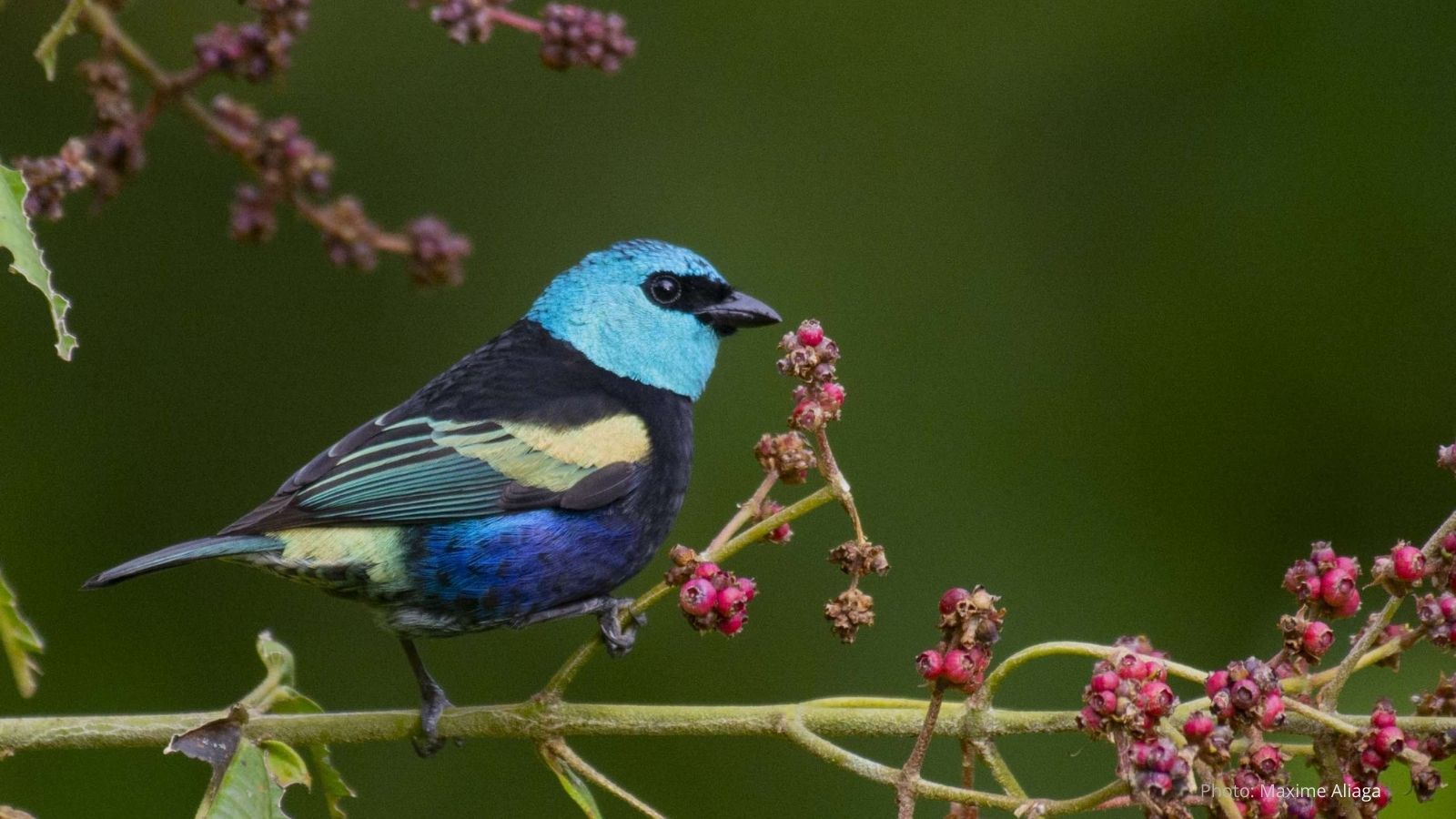
Two full days ay Wayqecha Cloud Forest Biological Station. Today we may we’ll see what the onsite staff say about perhaps Urubamba Antpitta being fed worms and spend most of the morning setting up next to the Hummingbird and Tanager feeders – frequent visitors that can be photographed at close range include Amethyst-throated Sunangel, Long-tailed Sylph, Rufous-capped Thornbill, Tyrian Metaltail, Gould’s Inca, Chestnut-breasted Coronet, White-bellied Woodstar, Shining Sunbeam, Great Thrush, Mustached Flowerpiercer, Black-faced Brushfinch and several species of Tanager.
At some point we may want to head up or down the road to look for mixed flocks of birds like the Pearled Treerunner, Barred Becard, Mountain Wren, Citrine Warbler, White-browed Conebill, Black-capped Hemispingus, Hooded, Scarlet-breasted and Chestnut-bellied Mountain Tanagers. Barred Fruiteater, and Yungas Pygmy Owl. In the patches of Chusquea Bamboo vegetation look for the Black-throated Tody Tyrant and Azara´s Spinetail. We may spot White-rumped Hawks and Golden-plumed Parakeets overhead. In the afternoon we will explore trails and visit the canopy walkway, which allows visitors to rise over 40 meters above the forest floor. In the evening we will be on the lookout for the Rufous-bellied Nighthawk and the Swallow-tailed Nightjar.
We’ll leave Wayqecha for Cock of the Rock Lodge at 1300 meters. At breakfast we will again be greeted with a varied dawn chorus, with both Red and White Antpitta and Urubamba Antpitta calling. We will then leave the Biological Station and spend the whole day birding down a little-travelled road, bordered with pristine forest, until we reach our next lodge. Some of the special birds which we will look for today include: Black and Chestnut Eagle, Andean Guan, Scaly-naped Parrot, Crimson-mantled Woodpecker, Bar-bellied Woodpecker, the endemic Marcapata Spinetail, Barred and Band-tailed Fruiteaters, Ochraceous-breasted Flycatcher, Barred Becard, Pale-footed Swallow and many tanagers. Night Cock of the Rock Lodge.
We will spend the next two full days around Cock-of-the-Rock Lodge—a true tanager paradise! The lodge’s gardens are a hotspot for hummingbirds with many photogenic species including Wire-crested Thorntail, Rufous-crested Coquette and over 20 species more, keeping us busy capturing the best shots of both tanagers and hummingbirds. Our primary target here is the iconic Andean Cock-of-the-Rock. We will visit a lek, where these birds perform their spectacular courtship displays every morning and afternoon, creating an unforgettable photography opportunity. We may see two primates in the area Gray’s Wooly Monkey and Large-headed Capuchin. At night, we will have chances to photograph nocturnal birds, including the Lyre-tailed Nightjar, Band-bellied Owl, and possibly the Rufescent Screech-Owl. One of our days here will be may make excursions to the 2,500-meter altitude zone, with another day being dedicated to the 1,500-meter zone. Possible species include Solitary Eagle, Rufous-capped Thornbill, Crested Quetzal, Golden-headed Quetzal, Highland Motmot, Black-streaked Puffbird, Blue-banded Toucanet, Spotted Barbtail, Montane Foliage-gleaner, Amazonian Umbrellabird, Uniform and Variable Antshrikes, Slaty Gnateater, Chestnut-crested Cotinga, Scaled Fruiteater, Bolivian Tyrannulet, Inca Flycatcher (endemic), Yungas Mankin, Uniform Antshrike, White-throated Spadebill, Fulvous-breasted Flatbill, Saffron-crowned Tanager, Yellow-rumped and Slaty Antwrens amongst others. All nights at Cock of the Rock Lodge.
Next on the agenda is to head further along Manu Road to Manu Biolodge, where we will spend the night. Manu Biolodge is nearly one thousand meters lower than the lodge, so once again the drive down will give us excellent chances to spot new species. Keep your eyes peeled for White-eared Solitaires, Black-streaked Puffbirds, Lanceolated Monklets, Crimson-bellied Woodpeckers, Stripe-chested Antwrens, Lemon-browed Flycatchers, Scale-crested Pygmy-Tyrants, as well as Beryl-spangled and Golden-naped Tanagers. As the road drops lower and lower we’ll emerge into more open areas and agricultural communities where we’ll look for King Vultures and Greater Yellow-headed Vultures, Roadside and Gray Hawks, Long-tail Tyrants, Social Flycatchers, Magpie Tanagers, Violaceous Jays, Chestnut-bellied Seedeaters, and hopefully endemic Black-backed Tody-Tyrants.
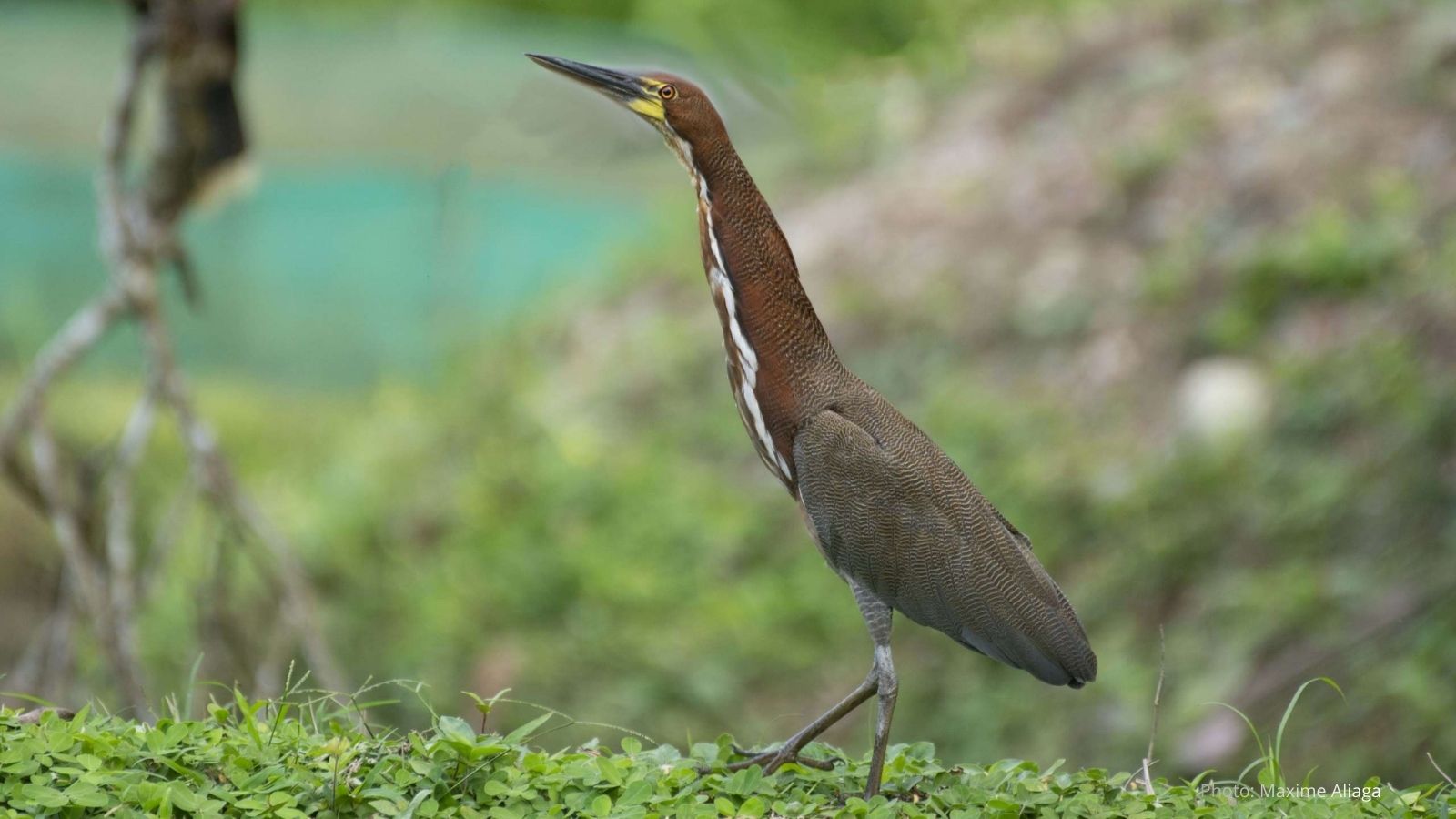
The lodge has Hummingbird and other feeders and of course, now that we are on the edge of the Amazon Rainforest, they are different species. This area features diverse habitats, offering incredible opportunities to photograph lowland birds, hummingbirds, tanagers, antbirds, and woodpeckers. The lodge’s garden is a hidden gem, occasionally attracting rare visitors. One of its most unique features is a ground feeder designed to attract elusive species such as tinamous and antpittas, giving us a rare opportunity to photograph these secretive birds. The trails at Manu Biolodge are a combination of second-growth forest, local native Bamboo (Guadua), primary forest, and successional forest. Together these provide an incredible array of habitats for birds. Walking along the trails you may be able to see and photograph White-browed Antbirds, Plain-winged Antshrikes, Pygmy Antwrens, Gray Antwrens, Wedge-billed Woodcreepers, Rufous-capped Nunlets, and Chesnut-backed Antshrikes. Right around the station, we’ll be looking for species such as the Plain-crowned Spinetail, Lesser Kiskadee, Boat-billed Flycatcher, Little Ground Tyrant, Crested Oropendola, and the Yellow-rumped Cacique. Around the fish pond there are good phot opportunities and the marsh vegetation we’ll look for the Sunbittern, Blackish Rail, Purple Gallinule, Rufescent Tiger-Heron, Uniform Crake, Amazon Kingfisher, and the Gray-necked Wood Rail.
One day we’ll head out early to the Atalaya Mirador in the hopes of catching the morning flight of the Military Macaws. Once we reach the top we’ll see commanding views with great landscape photo opportunities of the Madre de Dios River, the tropical lowlands, and the foothills of the Andes. We’ll do some birding in the foothills of Manu Biolodge, looking for Blue-headed Macaws, Bluish-fronted Jacamars, Chestnut-capped Puffbirds, and Fine-barred Piculets. In the afternoons, we’ll be looking up to the sky and in the trees to spot Black Hawk-eagles, Zone-tailed Hawks, White Hawks, White-collared Swifts, Fork-tailed Palm Swifts, White-winged Swallows, Orange-fronted Plushcrowns, Yellow-tufted Woodpeckers, White-lored Tyrannulets, and Band-tailed and Fiery-capped Manakins.
We’ll end with some night near the station to try and photograph Tawny-bellied Screech-Owls, Tropical Screech Owls, Black-banded Owls, Common Potoos and Pauraques and we even encounter Black-headed Night Monkey. One day we will visit two sets of Hummingbird feeders that have different species.
As the day begins to warm, we will head down the Alto Madre de Dios River in our motorized boat for about 4 hours until we reach its confluence with the Manu River. The river trip is a pleasure as we leave the last foothills and enter the Amazon proper. Our boats are roofed and fitted with comfortable padded bucket seats. Upon reaching the Manu River we will then continue on for another two hours until we reach the very comfortable Manu Wildlife Center. On the river journey, we will have the opportunity to encounter some of the typical riverside species such as Pied Lapwing, Collared Plover, Fasciated Tiger-heron, Orinoco Goose and Large-billed and Yellow-billed Terns. Fly-overs will include many species of macaw and parrot, as well as some bird of prey observations. We will aim to arrive at Tambo Blanquillo in the late afternoon. The bungalows have en-suite bathrooms and hot water. Night at Tambo Blanquillo.
Early in the morning we will spend time at a canopy observation tower, accessed by a metal stairway, photographing canopy flocks which include Sclater’s Antwren, Chestnut-winged and Lineated Foliage-gleaners, Three-striped Flycatcher, Red-billed Pied-tanager, Yellow-shouldered Grosbeak and a multitude of tanagers, dacnis’ and honeycreepers. In the afternoon we’ll will also visit a nearby ox-bow lake where we will see and photograph lakeside birds including Hoatzin, Sungrebe, Agami Heron, Black-billed Seed-finch, Silvered and Band-tailed Antbirds, Amazonian Streaked Antwren and Rufous-sided and Gray-breasted Crakes. We may also be lucky and see one of the two Giant Otter families that live in the area.
This morning we visit to the Blanquillo spectacular macaw clay lick, a photographer’s paradise if the weather co-operates. This area is an early and daily meeting point of several families of Orange-cheeked Parrot, Blue-headed Parrot, Mealy Parrot and
more small parakeets. A little later in the morning, Red and Green macaw, Scarlet Macaw and Blue-throated Piping Guan Piping Guan arrive to the clay lick. We have seen and videoed Ocelot here. Continuing our journey to Los Amigos, look for: Cocoi and Capped Herons, American Woodstorks, Large-billed and Yellow-billed Terns, Collared Plovers, Pied Lapwings, Sand-Colored Nighthawks, and Amazon and Ringed Kingfishers along the shore. Upon arrival to the station, ascend 280 steps from the river to higher ground before checking into your cabin. Enjoy dinner followed by a presentation given by the station’s Science Coordinator.
We will have 3 full days to explore this large conservation area which joins the Estação Ecológica Rio Acre in Brazil. Most days we’ll start at dawn and return for lunch and a siesta, then a late afternoon birding excursion (optional if you want to rest!). One day we’ll leave the station early for an all-day excursion to get to the Cocha Lobo oxbow lake where if we are lucky, we may see the impressive Giant Otter. As we make our way through the lodge clearing look out for local residents, such as the Black-tailed Trogon, Bluish-fronted Jacamar, Black-fronted Nunbird, White-winged Becard, Boat-billed Flycatcher, Plain Softail and a variety of Antbirds including White-browed, Plumbeous and Riparian. The towering forest on the way to the lake is also great for mixed flocks with species such as the Buff-throated, Wedge-billed and Mournful Woodcreeper, Bluish-slate Antshrike, Dusky-throated Antshrike, White-flanked Antwren, Pygmy Antwren, and Red-stained Woodpecker. Once we reach the lake, we’ll paddle around in a small canoe looking for a variety of lowland lakeside specialists. Keep your eyes peeled for birds like Hoatzin, Sungrebe, Striated Heron, Rufescent Tiger-Heron, Greater Ani, American Pygmy Kingfisher, Amazonian Streaked- Antwren, Silvered Antbird, Black-capped Donacobius, and Pale-eyed Blackbird. Watch above for birds such as Plumbeous Kites, Red-throated Caracaras, Scarlet Macaws, Red-bellied Macaws, and Crimson-crested Woodpeckers flying over. A picnic lunch will be packed out to us and we’ll have a leisurely lunch in the shade and after a rest we retrace our steps birding along the way arriving the lodge clearing in the afternoon.
On other days we´ll explore the extensive trail system including the bamboo forests in the nearby vicinity. This dense habitat will give us the chance to spot many bamboo specialists, including Peruvian Recurvebill, Bamboo Antshrike, Manu Antbird, Striated Antbird, Ihering´s Antwren, Dusky-cheeked Foliage-gleaner, White-cheeked Tody-Flycatcher, Flammulated Pygmy-Tyrant, Long-crested Pygmy-Tyrant, Large-headed and Dusky tailed Flatbill and many others. When we finish up each evening, we’ll be able to enjoy a beautiful sunset at the station, with amazing views of the river, lowland rainforest, and the Andes.
We’ll not ignore around Brazil nut trees in the local terra firme (upland forest that doesn’t flood). This habitat is great for species such as the Pavonine Quetzal, Pale-winged Trumpeter, White-fronted Nunbird, White-throated Jacamar, Sclater´s Antwren, Rufous-capped Antthrush, Amazonian Royal Flycatcher, and the Fiery-capped Manakin and the range restricted Black-faced Cotinga. Pozo Don Pedro is a palm swamp filled with moriche palms (Mauritia flexuosa). This habitat, locally known as an aguajal, will give us great opportunities to spot residents such as Blue-and-yellow Macaws, Point-tailed Palmcreepers, Sulphury Flycatchers, as well as Agami Herons, American Pygmy Kingfishers, and large families of Hoatzins. We’ll look out for mixed flocks, hoping to spot some target species like the White-winged Shrike-Tanager, Red-billed Pied Tanager, Chestnut-winged Hookbill, Red-necked Woodpecker, Golden-collared Toucanet, and the Broad-billed Motmot.
We’ll explore the local trails for any birds we may have missed before. We’ll look for regular visitors to the gardens such as Undulated Tinamou, Reddish Hermit, White-necked Jacobin, Blue-crowned Trogon, Lettered Aracari, Paradise Tanager, Black-faced Dacnis, Chestnut-capped Puffbird, Dusky-capped Greenlet, and Bare-necked Fruitcrow. We’ll also search the nearby forest for Black-faced Antbird, Olive-backed Foliage-gleaner, Golden-crowned Spadebill, Dwarf Tyrant-Manakin, and Green-backed Trogon. We’ll always be scanning mixed flocks for new birds, hopefully including the Rufous-tailed Foliage-gleaner, Spot-winged Antshrike, and Long-winged Antwren among others: Apart from birds we’ll surely bump into several troops of 11 species of Primates including Emperor Tamarin and if we are lucky other Amazonian mammals.
Today will begin with an early departure whil leaving by boat for Puerto Maldonado. As we navigate the river, we’ll look for anything we may have missed coming down, such as Jabirus, White-winged and White-banded Swallows, Black Skimmers, Gray Hawks, Red-and-green Macaws, and White-tailed Kites. As we leave the river and continue along the highway, we’ll look for anything we can spot on the way to the airport such as Red-breasted Blackbirds and Southern Lapwings. Once we reach Puerto Maldonado, we’ll make sure you get on your return flight to Cusco or Lima. End of an extraordinary photography tour!
| TRAVELERS | 1 | 2 | 3 | 4 | 5 | 6 |
|---|---|---|---|---|---|---|
| PRICE PER PERSON | $10,465 USD | $6,365 USD | $5,150 USD | $4,430 USD | $3,999 USD | $3,710 USD |